
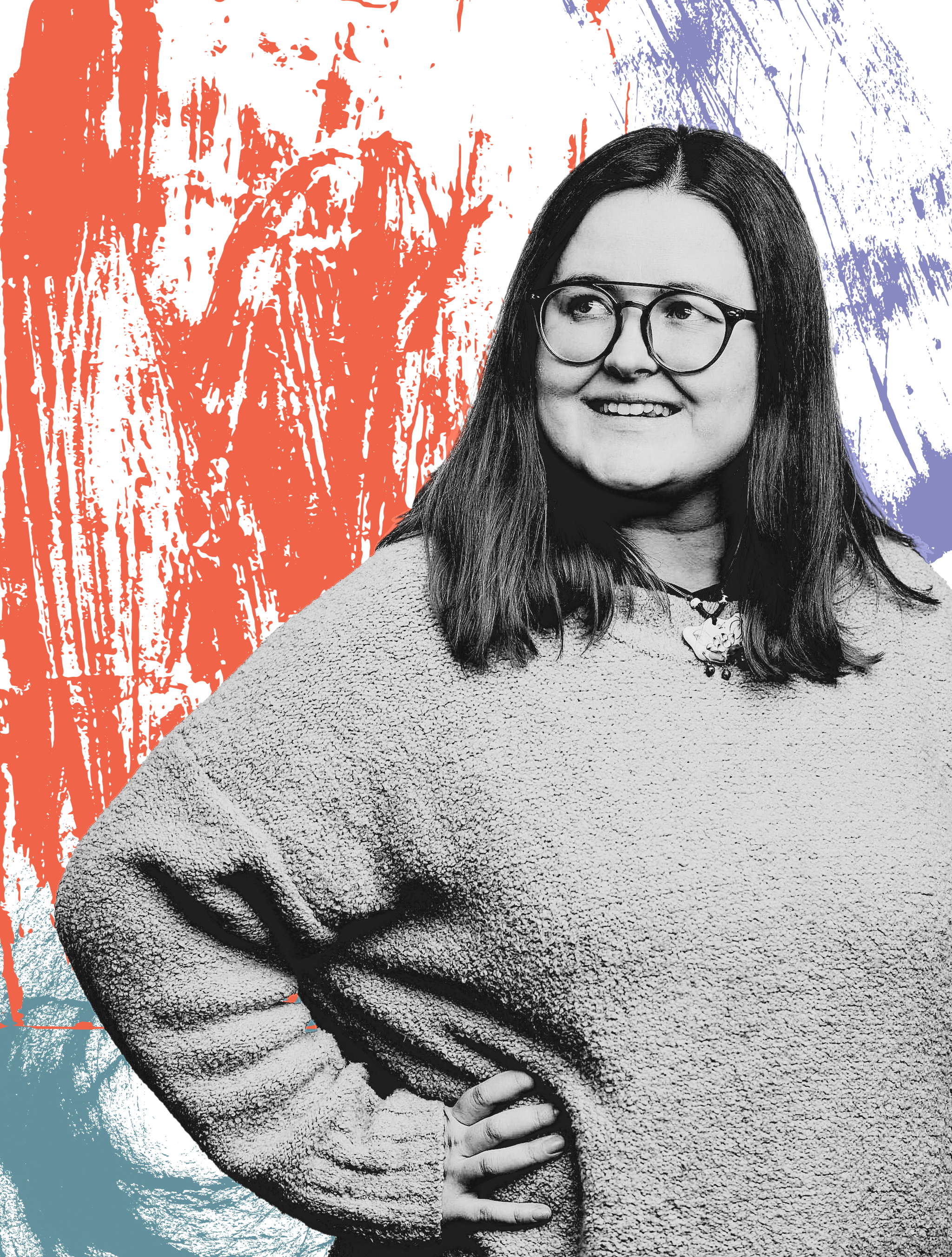
Writer, researcher, and multidisciplinary professional
I'm interested in information: where it shows up, who controls it, and what happens when it moves through media, technology, organizations, content, and everyday life.
My professional background moved through law, research, teaching, procurement, information science, and content strategy.
This site is where those parts sit next to each other instead of pretending to be one thing.
What I do
-
Content strategy, editorial planning, website messaging, SEO and AEO, and AI visibility, the kind of writing meant to be read by an actual buyer, not an algorithm.
-
Purchasing, supplier communication, ERP systems, documentation, and the unglamorous coordination that keeps an organization's spending honest.
-
Information science, media, digital society, source research, online behavior, and what makes information credible in the first place.
I've never had one clean professional identity, and I've stopped trying to build one.
I've worked in research and law, taught university students, spent years in purchasing and operations, studied information science, and later moved into content strategy and digital communication. Most of that happened because one thing led to the next, not because of a plan.
The blog doesn't have one narrow subject, on purpose.
I write about whatever I want to understand better: AI, media, technology, information, content, persuasion, digital culture, work, organizations, and, sometimes, something else entirely.
The connection is curiosity, not a beat. I want to know why something works the way it does, what changes when technology gets involved, and what gets flattened when everyone repeats the same explanation.
What I Write About



I'm based in the Washington, DC area. My background runs through law, mass media research, university teaching, procurement, information science, content strategy, and digital communication.
That sounds like several careers because, in a lot of ways, it has been. The full version, and why it hangs together, is on the About page.
A few examples of my work across content, communication, and research.






Let me know what you're working on and the areas where content is lacking.
Keep reading





A degree can give you knowledge, discipline, and a strong theoretical base, but it doesn’t automatically tell you what career you’ll have. Sometimes you only understand what fits you after you start working, try different roles, and see how things actually work in practice.