
Writing on Content, Search, Trust, and Digital Culture
I write about how people read, trust, search, compare, and make sense of information online.
Some essays are about B2B content strategy, website messaging, AI visibility, and buyer trust. Others look at digital culture, media behavior, visual communication, and the way platforms change how information feels.
Together, they’re part of the same question: how does content become clear, useful, credible, and worth paying attention to?
Thought Leadership Without a Concrete Problem Becomes Static Content
Most thought leadership looks smart but does not help people make decisions. Expertise starts working only when it is tied to a concrete problem, a decision context, and a usable solution path.
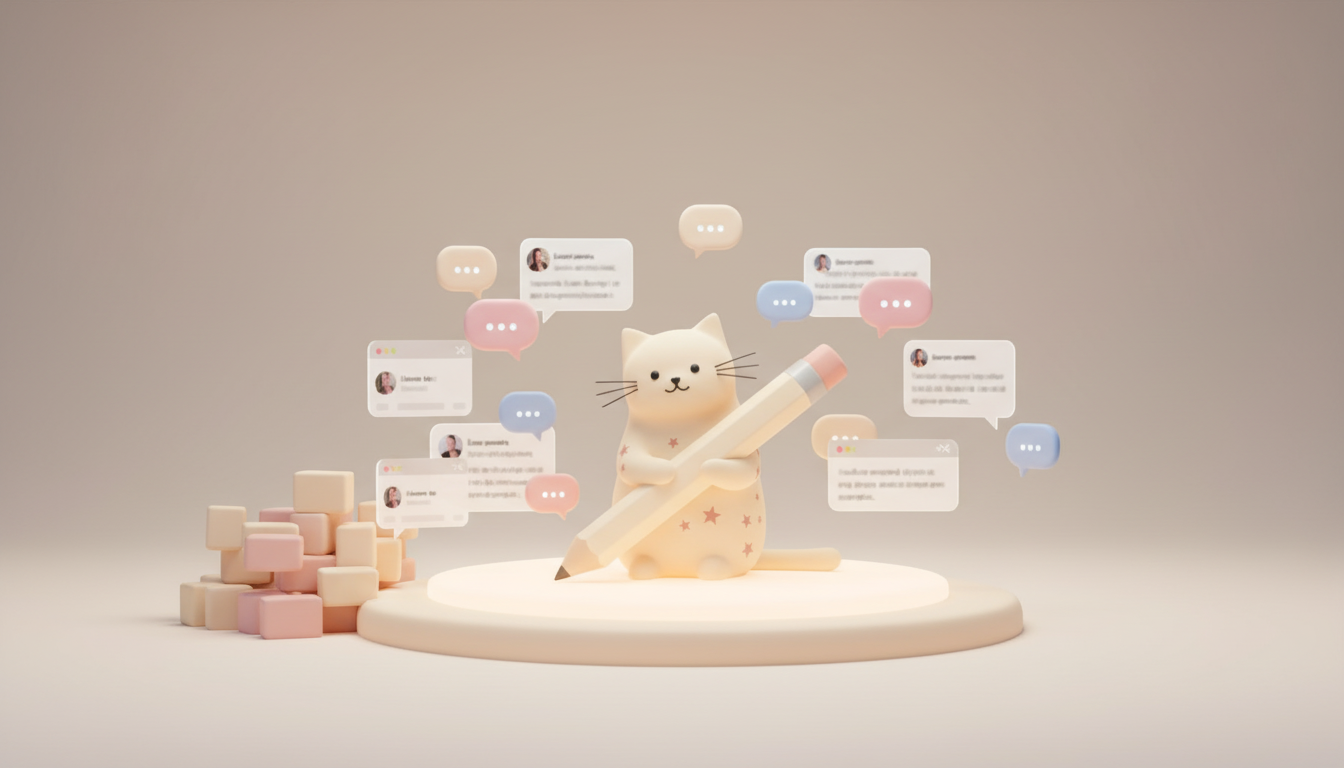
Why Comments Can Work Better for a Brand Than More Content
Many brands keep producing more content, assuming visibility will eventually turn into trust. But in many cases, a well-placed comment works better because it enters a conversation where the audience is already researching, comparing, and looking for answers.

What Trust in B2B Content Actually Looks Like
Trust in B2B content no longer looks like a polished brand voice or confident claims. It looks like proof a buyer can use: case studies, pricing logic, clear methodology, third-party validation, and content that reduces uncertainty before a sales call. As more buyers research independently and involve wider internal groups in the decision, the most trusted content is the content that helps people verify, compare, and defend a choice.

The Evolution of Trust in Infographics: From Visual Appeal to Transparency
Infographics no longer surprise us. They appear in boardroom decks, in news feeds, in classrooms. Yet behind their familiar forms lies a quieter question: do we still trust them?This shift is cultural as much as technical.

Why Bigger Text Feels More Expert
We rarely notice it, yet it shapes our first impressions.
Font size.Before we take in the words themselves, our eyes register their scale, their weight, their rhythm.

The Micro-Focus Era: How People Read and Scan Online
We live in a world of constant scrolling, scanning, and swiping. Readers no longer consume content linearly — instead, they jump between fragments, visuals, and cues that guide their attention. This “micro-focus” has reshaped how people engage with articles, marketing, and storytelling, challenging creators to balance surface-level readability with deeper meaning.

How “Expertise” Is Perceived in the Age of Influencers
Expertise once meant credentials, training, recognition. Today it often looks like visibility, reach, and authenticity. Influencers reshape what it means to be credible, blurring the line between depth and familiarity. We are left with a subtle question: is expertise about knowledge—or about perception?

Long Doesn’t Mean Detailed: How to Hold Attention in Long-Form Content
Word count doesn’t equal depth. Long pieces risk losing readers if they confuse length with clarity. What holds attention isn’t size—it’s rhythm, structure, pacing, and emotional connection. Long-form works when it feels alive: guiding the reader forward with micro-moments of reward, not endless paragraphs of weight.

Why “Helpful” Content Doesn’t Feel Helpful Anymore
Once, “helpful” content felt valuable. Now, it feels diluted—everywhere, repeating the same checklists and steps. The problem isn’t bad information, but sameness. Readers don’t need more lists; they need perspective, limits, and honesty. What helps today isn’t a perfect guide—it’s a slower, more personal voice that leaves space for reflection.