
Writing on Content, Search, Trust, and Digital Culture
I write about how people read, trust, search, compare, and make sense of information online.
Some essays are about B2B content strategy, website messaging, AI visibility, and buyer trust. Others look at digital culture, media behavior, visual communication, and the way platforms change how information feels.
Together, they’re part of the same question: how does content become clear, useful, credible, and worth paying attention to?

How Micro-Skills Make an Author’s Writing Memorable
Memorable writing is usually built from small, repeatable choices: clearer phrasing, concrete details, cleaner transitions, and rhythm that reads well out loud. This article breaks those micro-skills into quick drills and a 30-minute editing protocol you can use to make your drafts feel sharper and more like you.
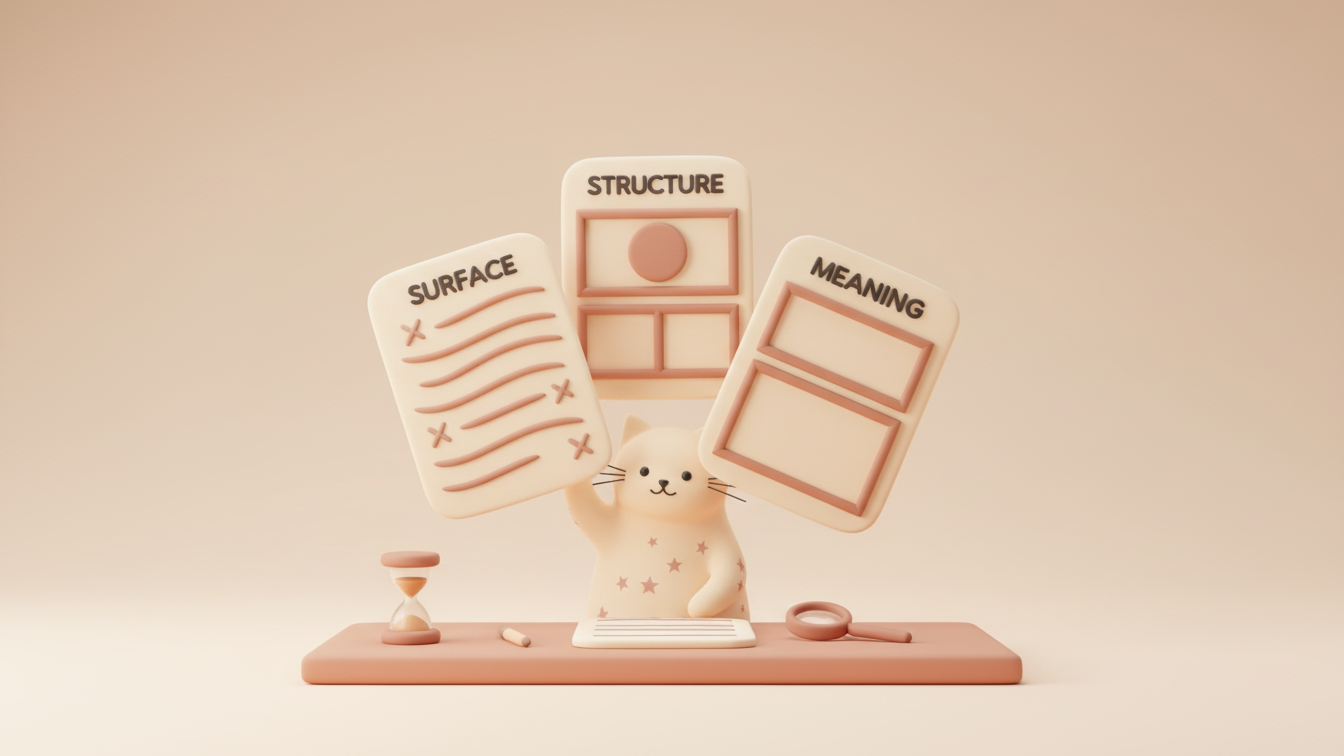
Quick Signs Your Writing Screams AI, And How to Hide Them
AI writing gives itself away fast, not through mistakes, but through a hollow feeling. I explain the three signals readers notice instantly, then share a 15 step workflow to keep voice and meaning intact when AI is part of the process.

How to Write Clearly – A Comprehensive Guide to Writing
Most writing issues start with an unclear process. Authors delay the point, overload sentences, and expect readers to rebuild logic. This guide explains how to structure paragraphs, simplify syntax, cut noise, and apply practical editorial techniques that improve clarity in digital communication.

Why Readers Love Lists (Even If They Say They Don’t)
Lists feel superficial, yet we return to them. They offer rhythm, progress, the illusion of order amid overload. Even when dismissed as “clickbait,” lists mirror how we crave structure in complexity. We resist them in words but rely on them in practice. That paradox keeps them alive.

Long Doesn’t Mean Detailed: How to Hold Attention in Long-Form Content
Word count doesn’t equal depth. Long pieces risk losing readers if they confuse length with clarity. What holds attention isn’t size—it’s rhythm, structure, pacing, and emotional connection. Long-form works when it feels alive: guiding the reader forward with micro-moments of reward, not endless paragraphs of weight.