
Writing on Content, Search, Trust, and Digital Culture
I write about how people read, trust, search, compare, and make sense of information online.
Some essays are about B2B content strategy, website messaging, AI visibility, and buyer trust. Others look at digital culture, media behavior, visual communication, and the way platforms change how information feels.
Together, they’re part of the same question: how does content become clear, useful, credible, and worth paying attention to?

How ALL CAPS became a language of emotion: Insights from font psychology
ALL CAPS has shifted from a practical tool of legibility into a shared emotional code—expanding across the screen the way a raised voice fills a room. In contrast, Gen Z’s embrace of lowercase shows how typography itself has become a spectrum of feeling, where case choice signals intimacy, irony, urgency, or distance.
Faceless YouTube Channels: How AI Video Creation Shapes 2025
Faceless YouTube channels are reshaping video culture in 2025 — thriving without hosts, built instead from stock footage, animations, and AI-generated voices. Their rise reflects both the ease of automation and the uneasy question of what happens when visibility itself becomes optional.

A Photo Can’t Replace the Experience: The Struggle Between Digital Convenience and Real Connection
We capture everything—photos, texts, posts—yet often miss the moment itself. No image can equal the depth of being present, the weight of real laughter, the warmth of a hug. Digital convenience is seductive but hollow when it replaces intimacy. Connection thrives not in pixels, but in presence.
The Currency of Media: Why Attention Matters
Attention is the real economy. Media doesn’t just inform; it competes, fragments, and monetizes our focus. High-quality visuals, interactivity, and hooks are the currency that keeps audiences engaged. Yet in this race for clicks, the question persists: are we designing for depth, or simply for distraction?

The duality of “Us”
What defines “us” is inseparable from what defines “them.” Jordan Peele’s Us confronts fear, identity, and duality with unsettling clarity. Shadows, mirrors, and doubles reveal not only a cinematic tension but also a cultural one: belonging always exists alongside its opposite. The film’s quiet brilliance is in forcing us to look at the reflection we’d rather avoid.

The Extraordinary Understanding of Worlds in Guillermo del Toro's Pan's Labyrinth
We walk between fantasy and reality, where cruelty and wonder coexist. Del Toro’s Pan’s Labyrinth blends war and myth, showing how imagination can both shield and expose truth. In this dual world, sacrifice, identity, and survival intertwine into a haunting reflection of humanity.
Maps as marks of societies
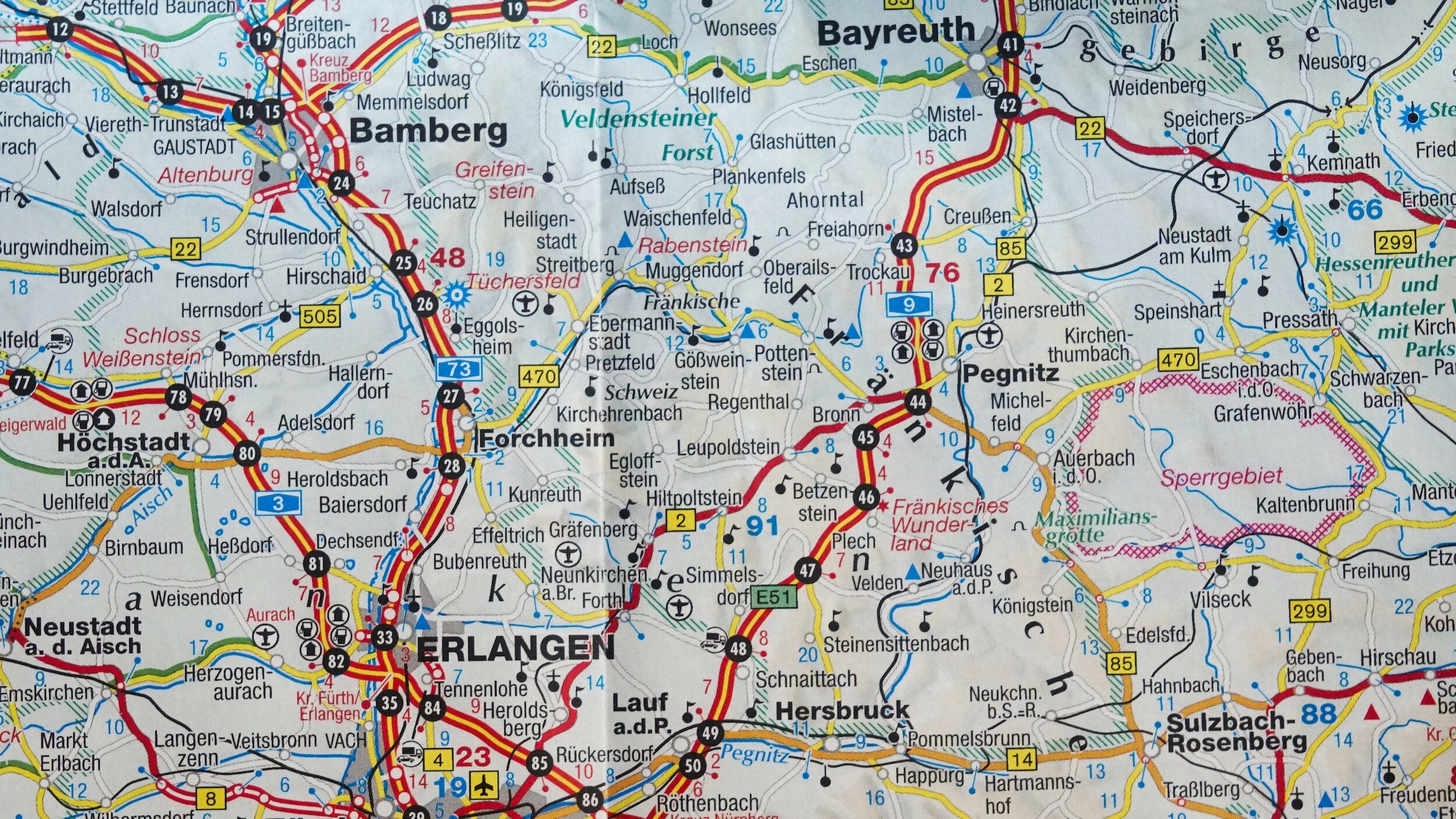
We chart the world not only to navigate it, but to define it. Maps reflect culture, power, and perception, embedding social narratives into lines and borders. More than guides, they are mirrors — revealing how societies choose to see themselves.
A book cover is the beginning of bliss
We judge books by their covers, but the cover is more than a surface — it is an artifact of culture, memory, and meaning. It shapes expectation, evokes emotion, and frames the text within. In every design lies a promise: the beginning of story-bliss.

Trust in information: A challenge in the digital age
We scroll through endless feeds, where truth competes with distortion. In this landscape, trust in information becomes fragile, shaped by speed, algorithms, and agendas. Rebuilding it requires not just fact-checking, but rethinking how credibility itself is earned.
Navigating Privacy and Freedom: The Complex Landscape of Internet Regulation
We live in an age where information flows without borders, yet boundaries are constantly redrawn. Internet regulation balances privacy, freedom, and security, exposing a paradox: too much control stifles expression, too little leaves us vulnerable. Between these poles, societies struggle to define digital freedom.
Aura, NFTs, and an Old Problem in a New Interface
NFTs and AI art did not create a new problem. They brought back an old one in a different interface. This essay looks at Walter Benjamin’s idea of aura, the logic of blockchain scarcity, and the growing crisis of authorship in AI art to ask a harder question: what still makes a work feel authentic when everything can be copied.