
Writing on Content, Search, Trust, and Digital Culture
I write about how people read, trust, search, compare, and make sense of information online.
Some essays are about B2B content strategy, website messaging, AI visibility, and buyer trust. Others look at digital culture, media behavior, visual communication, and the way platforms change how information feels.
Together, they’re part of the same question: how does content become clear, useful, credible, and worth paying attention to?

When AI video looks real enough to pass
AI video is becoming harder to judge by sight. For authors and brands, trust now depends on provenance, documented reality, and verification systems that exist before a fake clip spreads.
Sell an Idea with an Image: Why Analogies Work in Marketing
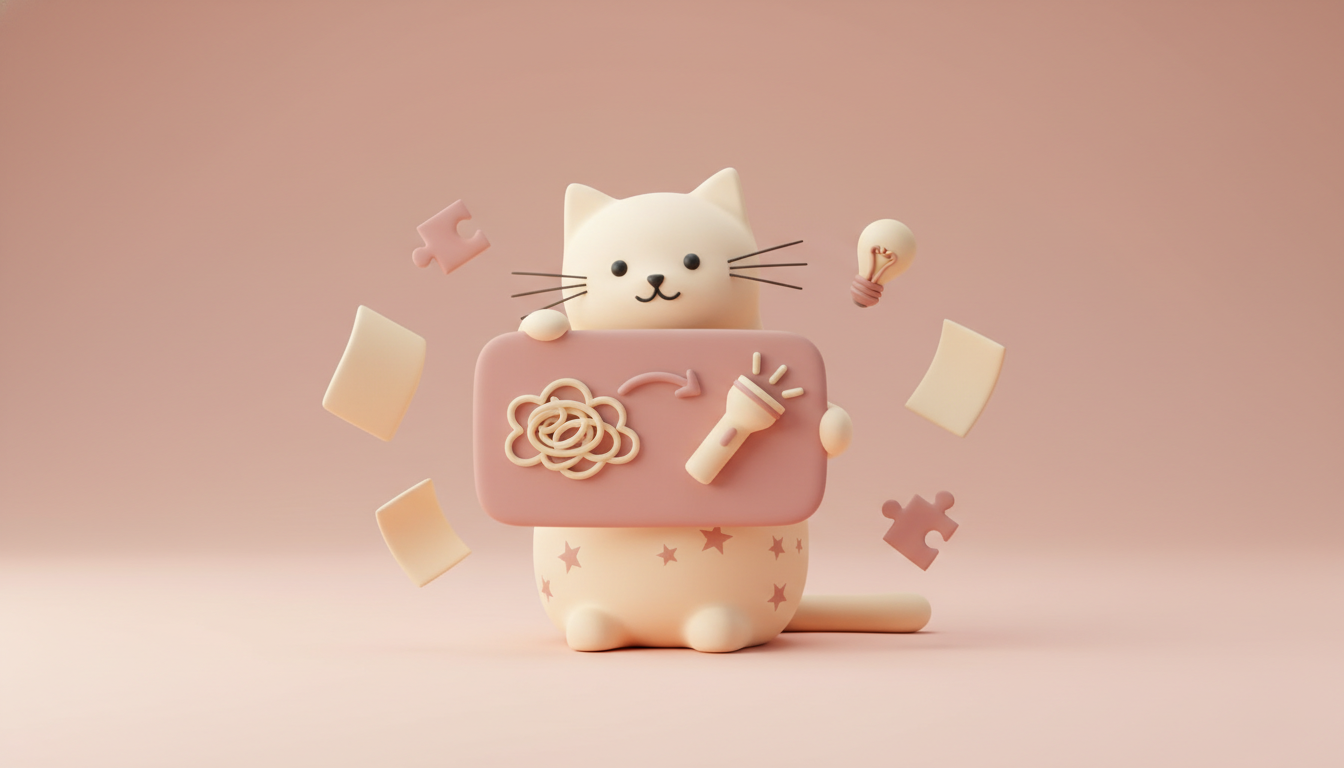
Analogies aren’t decoration in marketing, they’re cognitive tools that help people “see” what you mean when your message is new, complex, or abstract. Used with restraint and tested early, they reduce mental effort, build emotional clarity, and often move understanding faster than facts alone.
The White Space Effect in Design and Communication
What is white space in design, and why does it matter? This article explains how negative space improves clarity, readability, focus, and visual meaning across design, branding, architecture, and writing.

How ALL CAPS became a language of emotion: Insights from font psychology
ALL CAPS has shifted from a practical tool of legibility into a shared emotional code—expanding across the screen the way a raised voice fills a room. In contrast, Gen Z’s embrace of lowercase shows how typography itself has become a spectrum of feeling, where case choice signals intimacy, irony, urgency, or distance.

The Evolution of Trust in Infographics: From Visual Appeal to Transparency
Infographics no longer surprise us. They appear in boardroom decks, in news feeds, in classrooms. Yet behind their familiar forms lies a quieter question: do we still trust them?This shift is cultural as much as technical.
Why Bigger Text Feels More Expert
We rarely notice it, yet it shapes our first impressions.
Font size.Before we take in the words themselves, our eyes register their scale, their weight, their rhythm.
Can a Brand Survive Without Visual Identity?
Logos, palettes, symbols anchor recognition. Yet in 2025, the idea of survival without them lingers. A brand can live, briefly, through story, experience, or presence. But eventually, gravity pulls it back to visibility. Perhaps the deeper question is not whether visuals matter—but how long a voice can be heard without them.

The Extraordinary Understanding of Worlds in Guillermo del Toro's Pan's Labyrinth
We walk between fantasy and reality, where cruelty and wonder coexist. Del Toro’s Pan’s Labyrinth blends war and myth, showing how imagination can both shield and expose truth. In this dual world, sacrifice, identity, and survival intertwine into a haunting reflection of humanity.
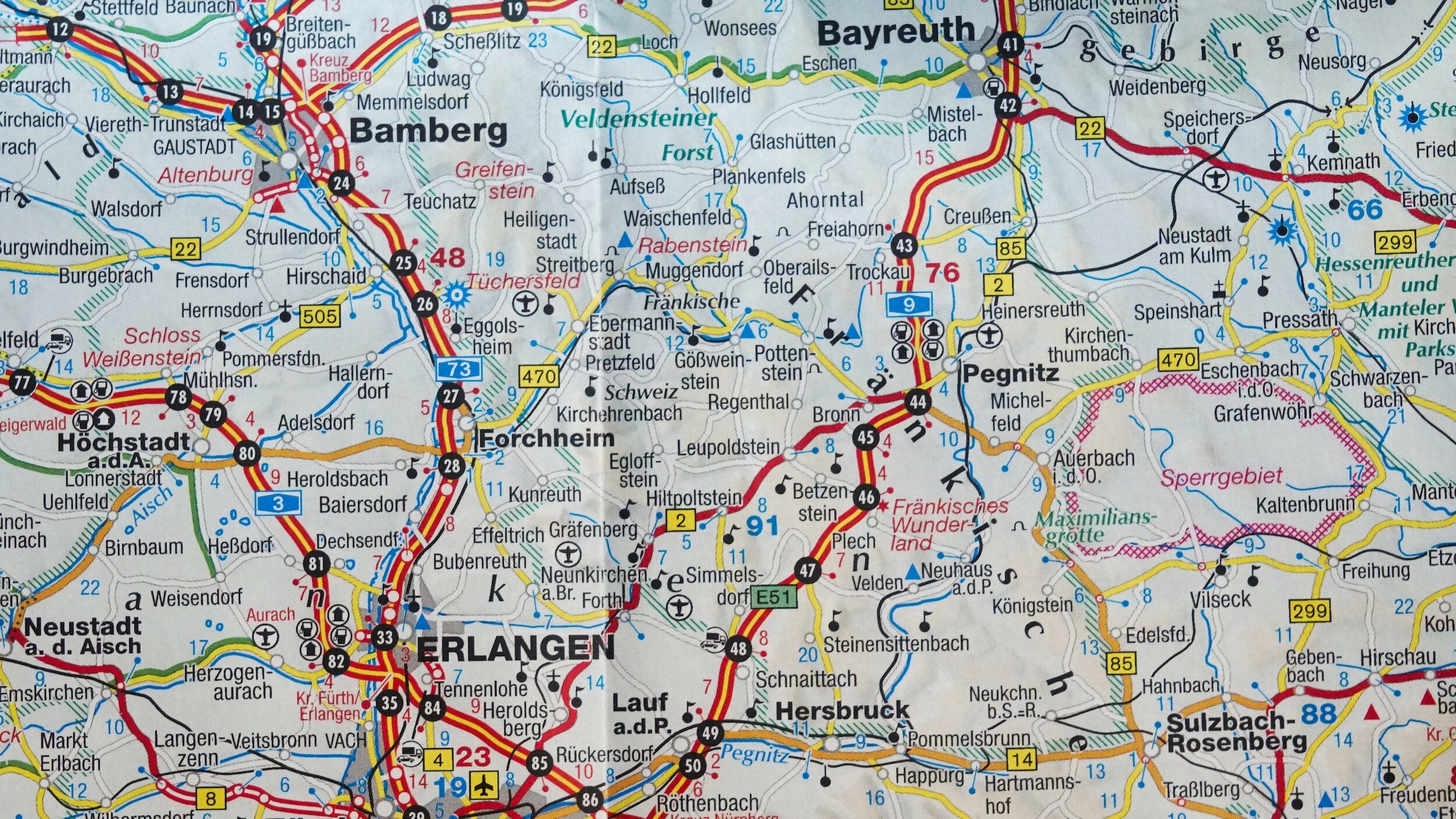
Maps as marks of societies
We chart the world not only to navigate it, but to define it. Maps reflect culture, power, and perception, embedding social narratives into lines and borders. More than guides, they are mirrors — revealing how societies choose to see themselves.
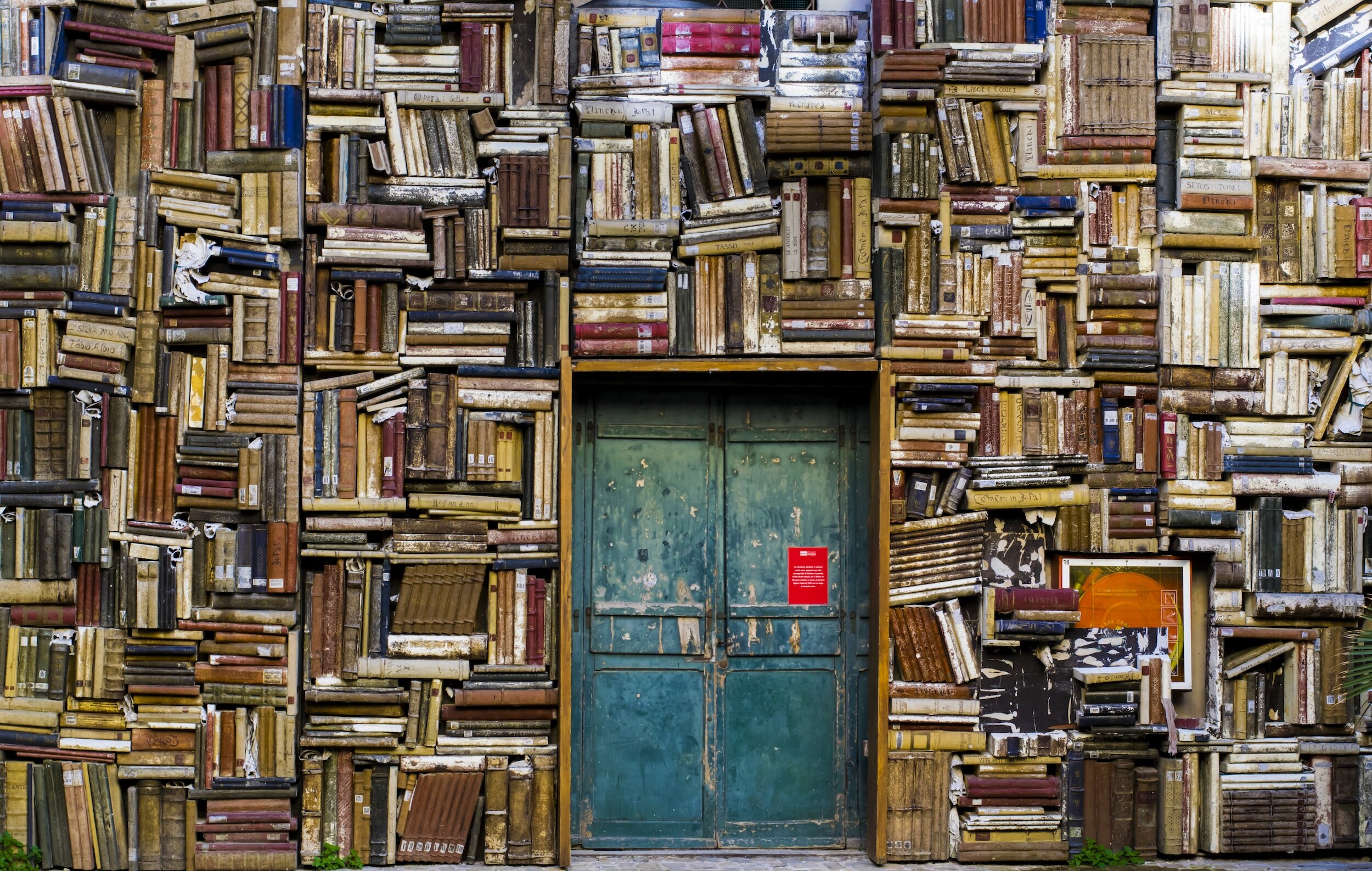
A book cover is the beginning of bliss
We judge books by their covers, but the cover is more than a surface — it is an artifact of culture, memory, and meaning. It shapes expectation, evokes emotion, and frames the text within. In every design lies a promise: the beginning of story-bliss.