

Welcome to my blog – a space where I share insights, tips, and stories at the intersection of content marketing and media research.


The duality of “Us”
What defines “us” is inseparable from what defines “them.” Jordan Peele’s Us confronts fear, identity, and duality with unsettling clarity. Shadows, mirrors, and doubles reveal not only a cinematic tension but also a cultural one: belonging always exists alongside its opposite. The film’s quiet brilliance is in forcing us to look at the reflection we’d rather avoid.

The Dark Side of Trolling and Its Impact on Online Communities
Trolling seems harmless until it corrodes connection. Behind the sarcasm and provocation lies disruption—splitting groups, silencing voices, reshaping trust. Online spaces fracture when hostility becomes normalized. To study trolling is to study identity, power, and the fragility of digital belonging. The question isn’t only how to stop it—but how to rebuild what it breaks.

The Extraordinary Understanding of Worlds in Guillermo del Toro's Pan's Labyrinth
We walk between fantasy and reality, where cruelty and wonder coexist. Del Toro’s Pan’s Labyrinth blends war and myth, showing how imagination can both shield and expose truth. In this dual world, sacrifice, identity, and survival intertwine into a haunting reflection of humanity.
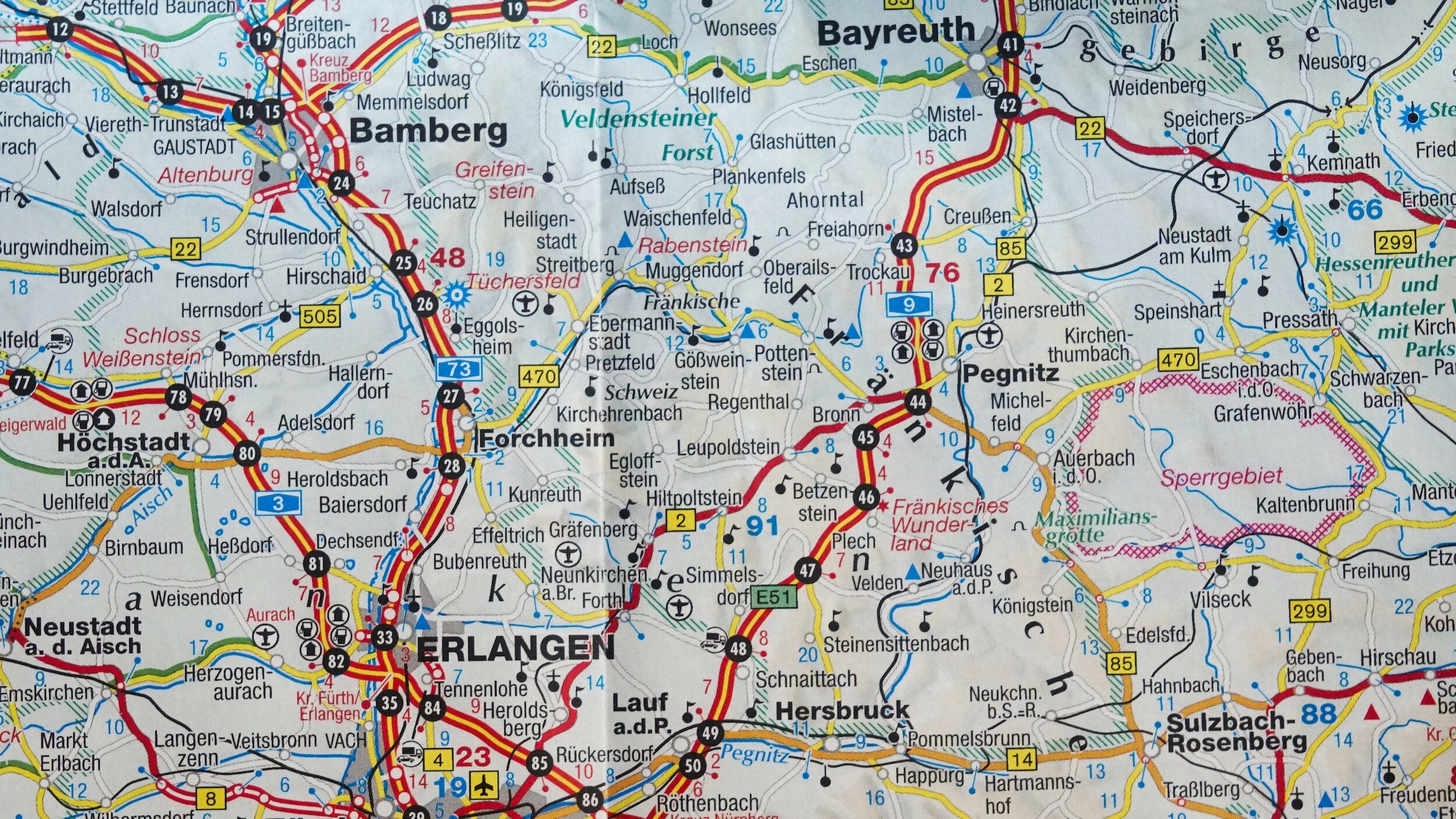
Maps as marks of societies
We chart the world not only to navigate it, but to define it. Maps reflect culture, power, and perception, embedding social narratives into lines and borders. More than guides, they are mirrors — revealing how societies choose to see themselves.

A book cover is the beginning of bliss
We judge books by their covers, but the cover is more than a surface — it is an artifact of culture, memory, and meaning. It shapes expectation, evokes emotion, and frames the text within. In every design lies a promise: the beginning of story-bliss.

Trust in information: A challenge in the digital age
We scroll through endless feeds, where truth competes with distortion. In this landscape, trust in information becomes fragile, shaped by speed, algorithms, and agendas. Rebuilding it requires not just fact-checking, but rethinking how credibility itself is earned.