
Writing on Content, Search, Trust, and Digital Culture
I write about things I want to understand better. Usually that means information, AI, media, technology, content, digital culture, work, or persuasion. Sometimes it means something else entirely.
This isn't built around one narrow subject. It's a personal collection of essays, research, observations, questions, and the occasional argument with something I read.

Long Doesn’t Mean Detailed: How to Hold Attention in Long-Form Content
Word count doesn’t equal depth. Long pieces risk losing readers if they confuse length with clarity. What holds attention isn’t size—it’s rhythm, structure, pacing, and emotional connection. Long-form works when it feels alive: guiding the reader forward with micro-moments of reward, not endless paragraphs of weight.

Are You Defining People by Their Generation? It’s Time to Rethink Marketing
Labels like “Millennial” or “Gen Z” flatten nuance. They don’t explain values, motivations, or individuality. Marketing that leans on birth years misses the point: people connect through experiences and beliefs, not stereotypes. Real personalization begins when we speak to humans, not categories.

Why “Helpful” Content Doesn’t Feel Helpful Anymore
Once, “helpful” content felt valuable. Now, it feels diluted—everywhere, repeating the same checklists and steps. The problem isn’t bad information, but sameness. Readers don’t need more lists; they need perspective, limits, and honesty. What helps today isn’t a perfect guide—it’s a slower, more personal voice that leaves space for reflection.

Content Marketing Doesn’t Work If You Forget This One Thing
You can write clearly, post regularly, optimize for search—and still miss. Why? Because content without purpose is just activity. Every piece should guide a reader toward an action, a decision, a next step. Without intent, content drifts into noise. With it, content builds journeys that convert.

A Photo Can’t Replace the Experience: The Struggle Between Digital Convenience and Real Connection
We capture everything—photos, texts, posts—yet often miss the moment itself. No image can equal the depth of being present, the weight of real laughter, the warmth of a hug. Digital convenience is seductive but hollow when it replaces intimacy. Connection thrives not in pixels, but in presence.

Authenticity vs. Impression: Navigating Interviews the Honest Way
In interviews, we’re often taught to perform—to say what they want to hear. But honesty, even if imperfect, creates a truer foundation. Authenticity may not win every role, but it builds a career grounded in reality, not performance. The balance is delicate: showing strengths while admitting limits. Yet it’s often that humility that makes us most credible.
The Currency of Media: Why Attention Matters
Attention is the real economy. Media doesn’t just inform; it competes, fragments, and monetizes our focus. High-quality visuals, interactivity, and hooks are the currency that keeps audiences engaged. Yet in this race for clicks, the question persists: are we designing for depth, or simply for distraction?

The duality of “Us”
What defines “us” is inseparable from what defines “them.” Jordan Peele’s Us confronts fear, identity, and duality with unsettling clarity. Shadows, mirrors, and doubles reveal not only a cinematic tension but also a cultural one: belonging always exists alongside its opposite. The film’s quiet brilliance is in forcing us to look at the reflection we’d rather avoid.

The Dark Side of Trolling and Its Impact on Online Communities
Trolling seems harmless until it corrodes connection. Behind the sarcasm and provocation lies disruption—splitting groups, silencing voices, reshaping trust. Online spaces fracture when hostility becomes normalized. To study trolling is to study identity, power, and the fragility of digital belonging. The question isn’t only how to stop it—but how to rebuild what it breaks.

The Extraordinary Understanding of Worlds in Guillermo del Toro's Pan's Labyrinth
We walk between fantasy and reality, where cruelty and wonder coexist. Del Toro’s Pan’s Labyrinth blends war and myth, showing how imagination can both shield and expose truth. In this dual world, sacrifice, identity, and survival intertwine into a haunting reflection of humanity.
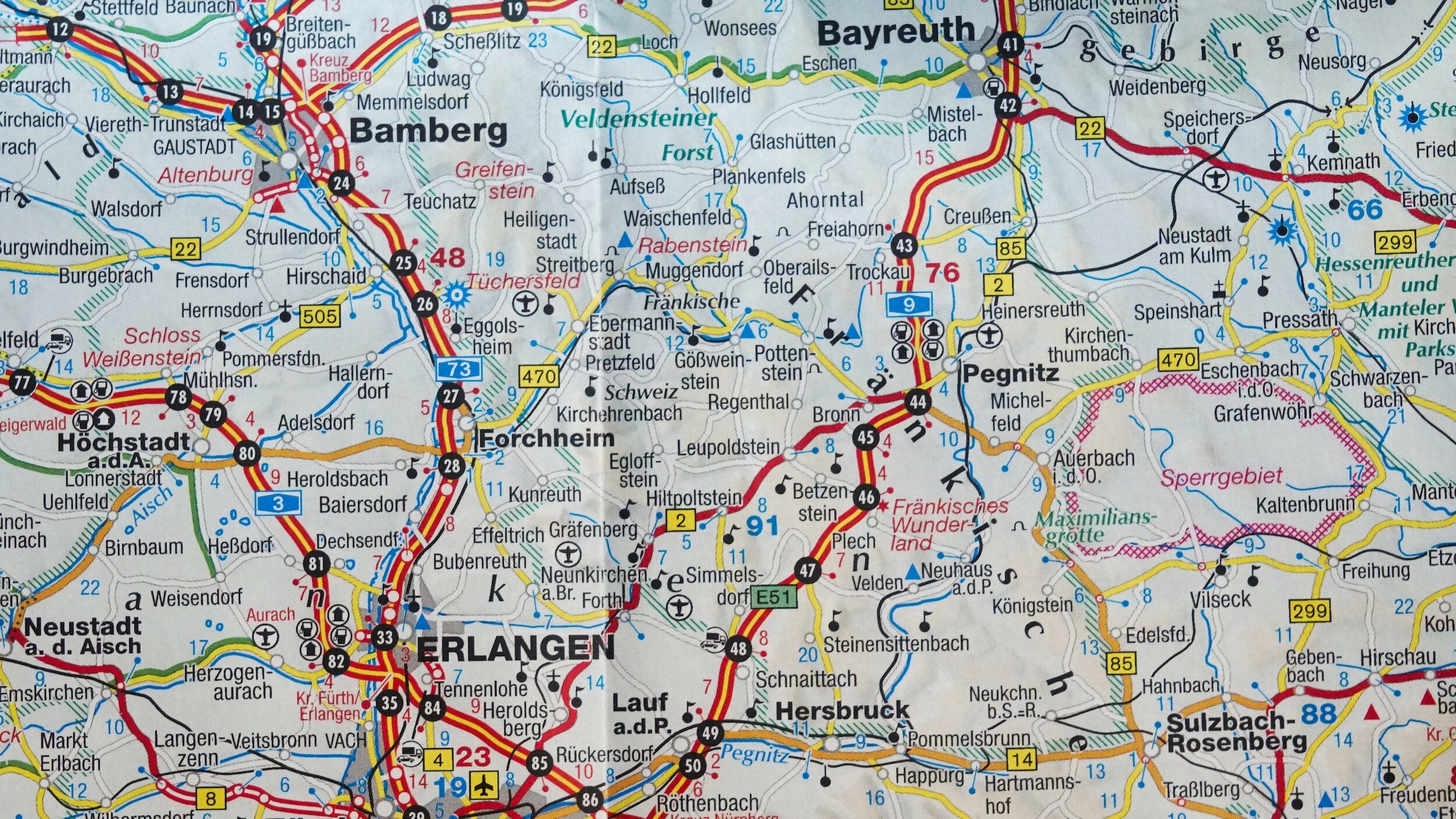
Maps as marks of societies
We chart the world not only to navigate it, but to define it. Maps reflect culture, power, and perception, embedding social narratives into lines and borders. More than guides, they are mirrors — revealing how societies choose to see themselves.

A book cover is the beginning of bliss
We judge books by their covers, but the cover is more than a surface — it is an artifact of culture, memory, and meaning. It shapes expectation, evokes emotion, and frames the text within. In every design lies a promise: the beginning of story-bliss.

Trust in information: A challenge in the digital age
We scroll through endless feeds, where truth competes with distortion. In this landscape, trust in information becomes fragile, shaped by speed, algorithms, and agendas. Rebuilding it requires not just fact-checking, but rethinking how credibility itself is earned.

Cognitive Enhancement: The Future of the Mind
We seek sharper focus and greater clarity, turning to pills, technologies, and routines to enhance thought. Yet with every promise of improvement comes a question of cost — to health, to equity, to authenticity. The pursuit of a “better mind” reveals as much about desire as it does about ability.
How the Internet creates FOMO
We compare, refresh, and scroll, haunted by the sense that life is happening elsewhere. Social media amplifies this fear of missing out, turning connection into anxiety and choice into doubt. In chasing belonging, we often lose presence — and mistake illusion for reality.

How We Overestimate Small Probabilities in Decision-Making
We weigh risks not by logic, but by perception. Rare events feel larger than they are, small chances loom as inevitabilities, and intuition distorts probability. This bias shapes how we gamble, insure, and decide — reminding us that the mind often bends reality.
Mind vs. Machine: Exploring the Boundaries of Thinking
We ask if machines can think like us, but the deeper question is what thinking really means. Artificial intelligence processes patterns with precision, yet lacks the unpredictability of emotion and culture. Between human intuition and machine logic lies the frontier of consciousness itself.
Navigating Privacy and Freedom: The Complex Landscape of Internet Regulation
We live in an age where information flows without borders, yet boundaries are constantly redrawn. Internet regulation balances privacy, freedom, and security, exposing a paradox: too much control stifles expression, too little leaves us vulnerable. Between these poles, societies struggle to define digital freedom.
Aura, NFTs, and an Old Problem in a New Interface
NFTs and AI art did not create a new problem. They brought back an old one in a different interface. This essay looks at Walter Benjamin’s idea of aura, the logic of blockchain scarcity, and the growing crisis of authorship in AI art to ask a harder question: what still makes a work feel authentic when everything can be copied.