

Essays on digital culture, media, attention, and the strange ways people experience information online.
This is where I write more freely. About media, internet life, visual language, film, online behavior, and the cultural side of communication. Some pieces are analytical, some more reflective, but all of them come from the same interest in how people interpret the world around them.

- AI Culture
- Attention
- Decision-Making
- Design Thinking
- Digital Culture
- Interface Culture
- Internet Behavior
- Internet Psychology
- Knowledge Work
- Media Studies
- Narrative
- Online Identity
- Productivity Systems
- Research Methods
- Social platforms
- Society
- Technology
- Trust in Information
- Typography
- Visual Communication

Five Idea-Generation Techniques That Rarely Fail (Even When the Muse Is Silent)
Even the best writers run dry. These five content-idea techniques — from topic mapping to bisociation — keep creativity flowing naturally, without the pressure to “be inspired.”

Deep Dive: Getting Things Done (GTD) — A Complete Guide for Beginners
Getting Things Done (GTD) is less about doing more and more about carrying less — moving tasks out of your head into a trusted system. In that quiet shift, clarity returns, and action feels lighter.

Why multitasking is a myth
Multitasking feels fast. But it isn’t.
Each switch of attention comes with a hidden cost — seconds that stretch into minutes, fragments of thought that never return. Recent research shows productivity can fall by nearly 40% when tasks compete for focus.

Authenticity vs. Impression: Navigating Interviews the Honest Way
In interviews, we’re often taught to perform—to say what they want to hear. But honesty, even if imperfect, creates a truer foundation. Authenticity may not win every role, but it builds a career grounded in reality, not performance. The balance is delicate: showing strengths while admitting limits. Yet it’s often that humility that makes us most credible.

The duality of “Us”
What defines “us” is inseparable from what defines “them.” Jordan Peele’s Us confronts fear, identity, and duality with unsettling clarity. Shadows, mirrors, and doubles reveal not only a cinematic tension but also a cultural one: belonging always exists alongside its opposite. The film’s quiet brilliance is in forcing us to look at the reflection we’d rather avoid.
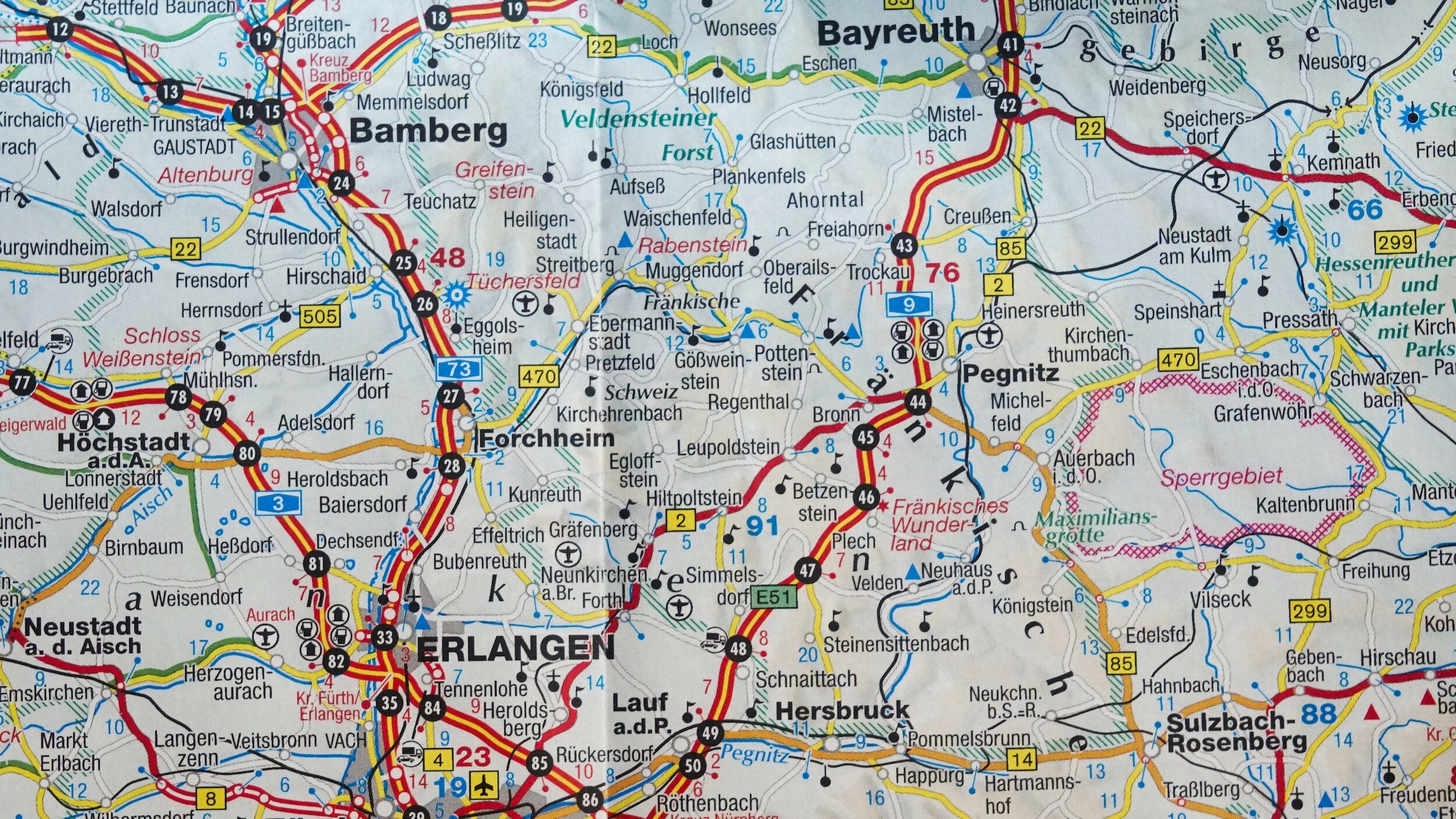
Maps as marks of societies
We chart the world not only to navigate it, but to define it. Maps reflect culture, power, and perception, embedding social narratives into lines and borders. More than guides, they are mirrors — revealing how societies choose to see themselves.