

Essays on digital culture, media, attention, and the strange ways people experience information online.
This is where I write more freely. About media, internet life, visual language, film, online behavior, and the cultural side of communication. Some pieces are analytical, some more reflective, but all of them come from the same interest in how people interpret the world around them.

- AI Culture
- Attention
- Decision-Making
- Design Thinking
- Digital Culture
- Interface Culture
- Internet Behavior
- Internet Psychology
- Knowledge Work
- Media Studies
- Narrative
- Online Identity
- Productivity Systems
- Research Methods
- Social platforms
- Society
- Technology
- Trust in Information
- Typography
- Visual Communication
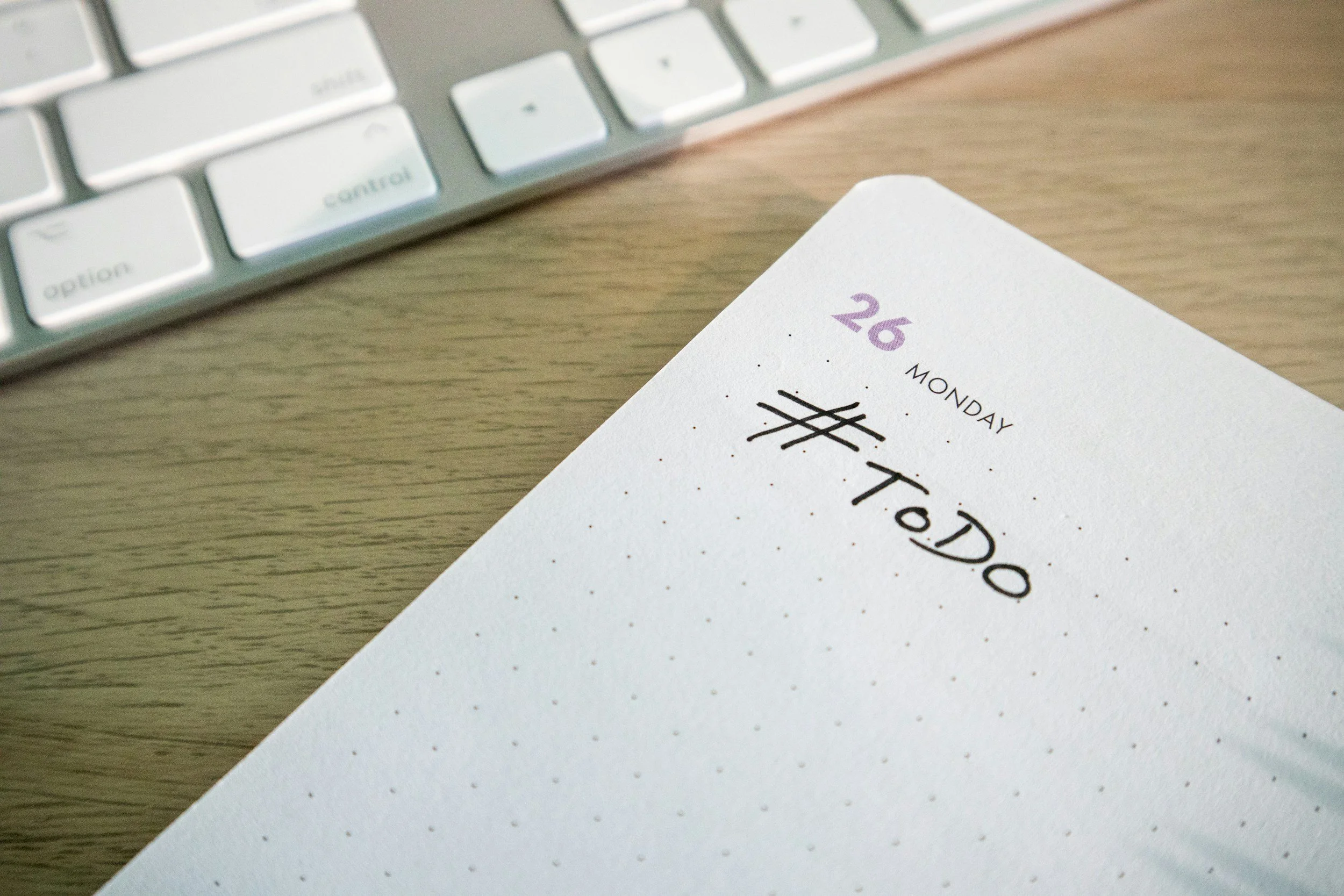
Deep Dive: Getting Things Done (GTD) — A Complete Guide for Beginners
Getting Things Done (GTD) is less about doing more and more about carrying less — moving tasks out of your head into a trusted system. In that quiet shift, clarity returns, and action feels lighter.
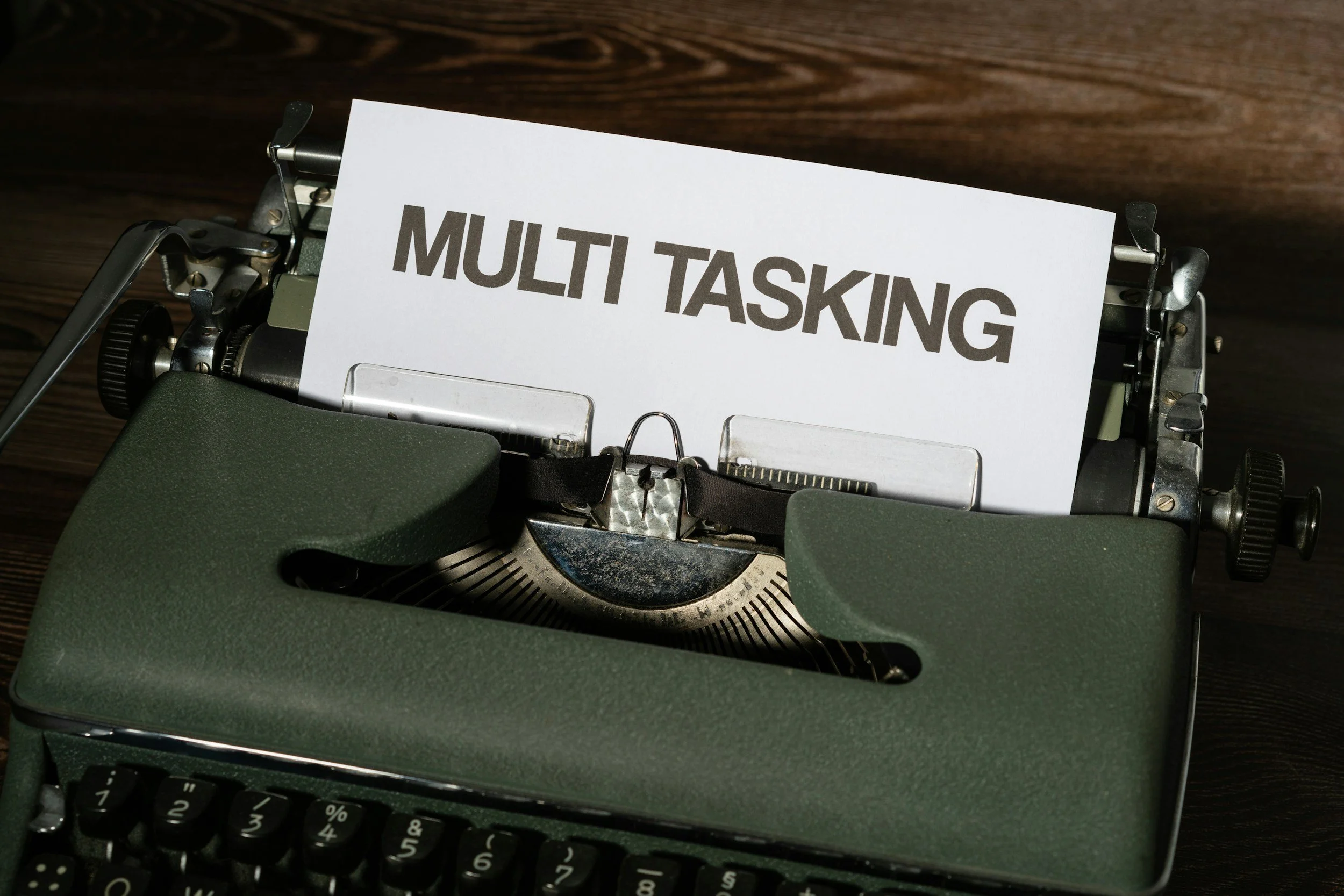
Why multitasking is a myth
Multitasking feels fast. But it isn’t.
Each switch of attention comes with a hidden cost — seconds that stretch into minutes, fragments of thought that never return. Recent research shows productivity can fall by nearly 40% when tasks compete for focus.

Authenticity vs. Impression: Navigating Interviews the Honest Way
In interviews, we’re often taught to perform—to say what they want to hear. But honesty, even if imperfect, creates a truer foundation. Authenticity may not win every role, but it builds a career grounded in reality, not performance. The balance is delicate: showing strengths while admitting limits. Yet it’s often that humility that makes us most credible.

Cognitive Enhancement: The Future of the Mind
We seek sharper focus and greater clarity, turning to pills, technologies, and routines to enhance thought. Yet with every promise of improvement comes a question of cost — to health, to equity, to authenticity. The pursuit of a “better mind” reveals as much about desire as it does about ability.

How We Overestimate Small Probabilities in Decision-Making
We weigh risks not by logic, but by perception. Rare events feel larger than they are, small chances loom as inevitabilities, and intuition distorts probability. This bias shapes how we gamble, insure, and decide — reminding us that the mind often bends reality.