

Essays on digital culture, media, attention, and the strange ways people experience information online.
This is where I write more freely. About media, internet life, visual language, film, online behavior, and the cultural side of communication. Some pieces are analytical, some more reflective, but all of them come from the same interest in how people interpret the world around them.

- AI Culture
- Attention
- Decision-Making
- Design Thinking
- Digital Culture
- Interface Culture
- Internet Behavior
- Internet Psychology
- Knowledge Work
- Media Studies
- Narrative
- Online Identity
- Productivity Systems
- Research Methods
- Social platforms
- Society
- Technology
- Trust in Information
- Typography
- Visual Communication

The duality of “Us”
What defines “us” is inseparable from what defines “them.” Jordan Peele’s Us confronts fear, identity, and duality with unsettling clarity. Shadows, mirrors, and doubles reveal not only a cinematic tension but also a cultural one: belonging always exists alongside its opposite. The film’s quiet brilliance is in forcing us to look at the reflection we’d rather avoid.
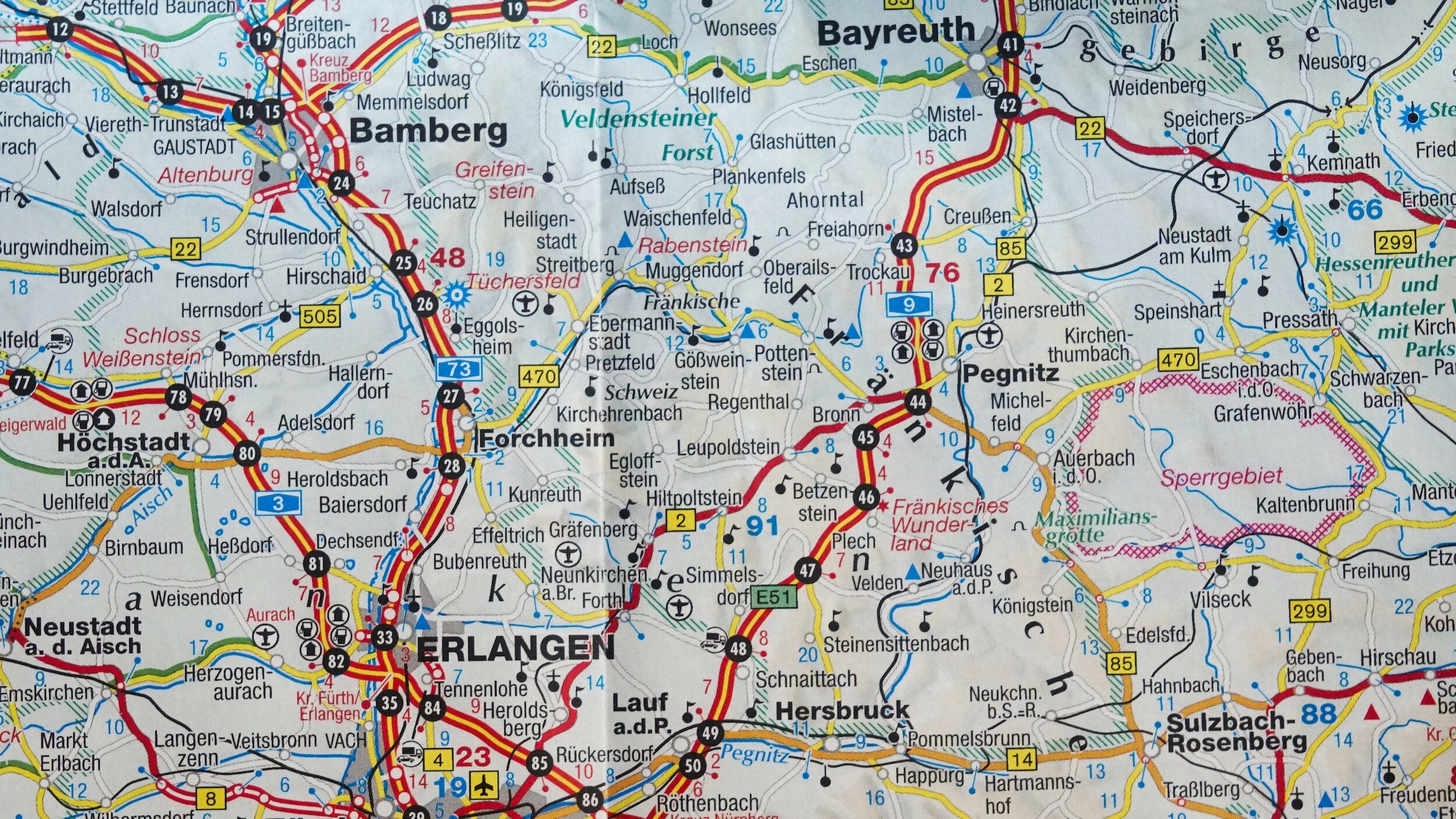
Maps as marks of societies
We chart the world not only to navigate it, but to define it. Maps reflect culture, power, and perception, embedding social narratives into lines and borders. More than guides, they are mirrors — revealing how societies choose to see themselves.

Cognitive Enhancement: The Future of the Mind
We seek sharper focus and greater clarity, turning to pills, technologies, and routines to enhance thought. Yet with every promise of improvement comes a question of cost — to health, to equity, to authenticity. The pursuit of a “better mind” reveals as much about desire as it does about ability.

How We Overestimate Small Probabilities in Decision-Making
We weigh risks not by logic, but by perception. Rare events feel larger than they are, small chances loom as inevitabilities, and intuition distorts probability. This bias shapes how we gamble, insure, and decide — reminding us that the mind often bends reality.
Navigating Privacy and Freedom: The Complex Landscape of Internet Regulation
We live in an age where information flows without borders, yet boundaries are constantly redrawn. Internet regulation balances privacy, freedom, and security, exposing a paradox: too much control stifles expression, too little leaves us vulnerable. Between these poles, societies struggle to define digital freedom.