

Essays on digital culture, media, attention, and the strange ways people experience information online.
This is where I write more freely. About media, internet life, visual language, film, online behavior, and the cultural side of communication. Some pieces are analytical, some more reflective, but all of them come from the same interest in how people interpret the world around them.

- AI Culture
- Attention
- Decision-Making
- Design Thinking
- Digital Culture
- Interface Culture
- Internet Behavior
- Internet Psychology
- Knowledge Work
- Media Studies
- Narrative
- Online Identity
- Productivity Systems
- Research Methods
- Social platforms
- Society
- Technology
- Trust in Information
- Typography
- Visual Communication
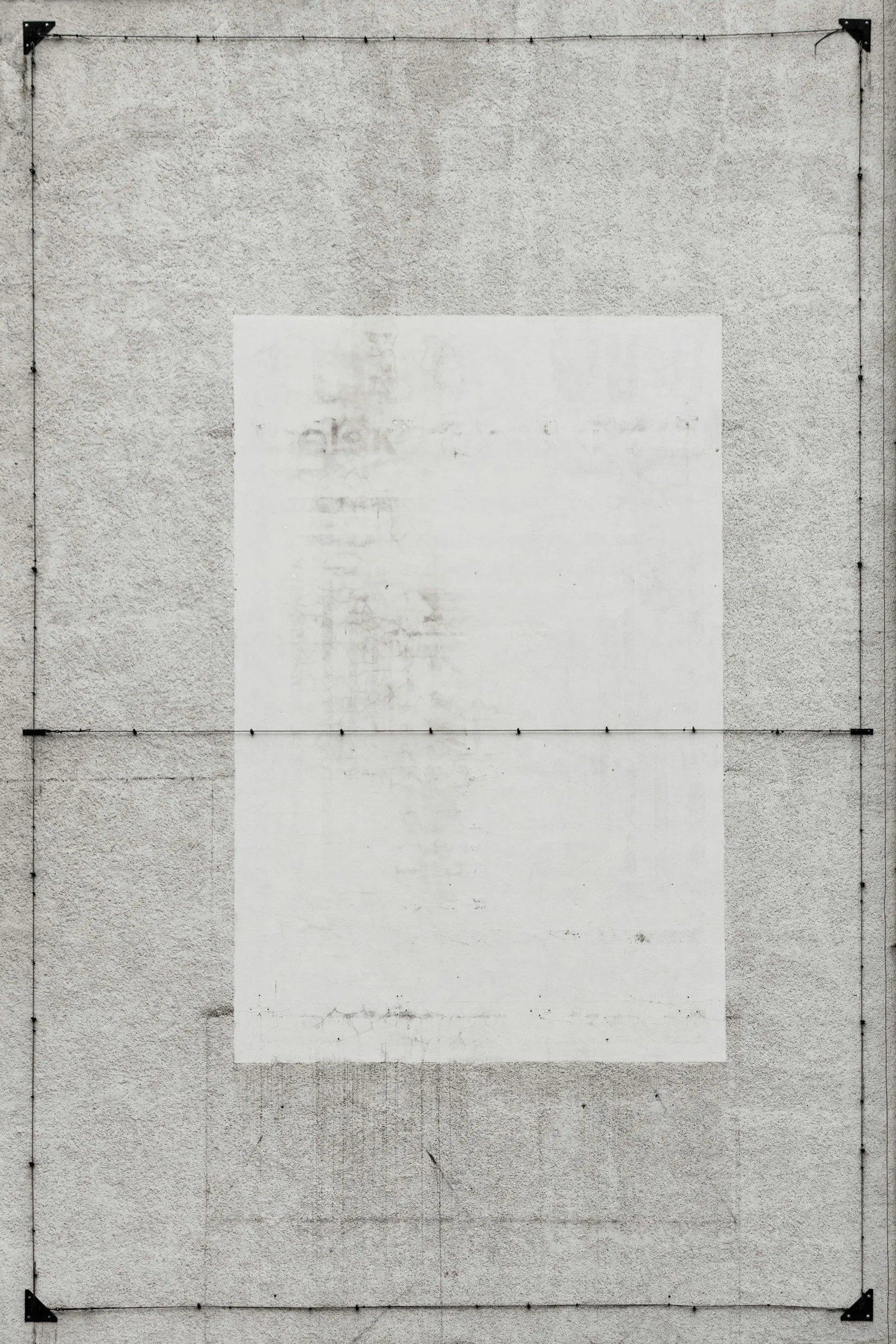
The White Space Effect: How Emptiness Creates Meaning
White space isn’t absence — it’s the structure that gives shape to meaning. This essay explores how emptiness, in design and beyond, creates focus, emotion, and quiet significance.

How ALL CAPS became a language of emotion: Insights from font psychology
ALL CAPS has shifted from a practical tool of legibility into a shared emotional code—expanding across the screen the way a raised voice fills a room. In contrast, Gen Z’s embrace of lowercase shows how typography itself has become a spectrum of feeling, where case choice signals intimacy, irony, urgency, or distance.

The Extraordinary Understanding of Worlds in Guillermo del Toro's Pan's Labyrinth
We walk between fantasy and reality, where cruelty and wonder coexist. Del Toro’s Pan’s Labyrinth blends war and myth, showing how imagination can both shield and expose truth. In this dual world, sacrifice, identity, and survival intertwine into a haunting reflection of humanity.

A book cover is the beginning of bliss
We judge books by their covers, but the cover is more than a surface — it is an artifact of culture, memory, and meaning. It shapes expectation, evokes emotion, and frames the text within. In every design lies a promise: the beginning of story-bliss.